

Navigating the terminal requires a clear understanding of current airport security rules to ensure a smooth departure. Most travelers feel anxious about checkpoints, but following the TSA Rules Guide makes the journey much faster. Prioritizing travel safety rules helps protect everyone on the plane. By learning the standard airport process, passengers can move through lines without stress. Proper preparation is the best way to maintain flight safety and get to the gate on time. Understanding what to pack and how to dress saves minutes and prevents secondary screenings.
One of the most common mistakes involves packing large bottles in carry-on bags. Every traveler must follow the specific volume limits for gels and aerosols. Keeping these items in a clear bag makes inspection much faster for the officers.
These steps keep the line moving and prevent the loss of expensive toiletries. What this really means is that being organized before reaching the belt is the key to success.
Large electronic devices require special attention during screening. Most airports ask passengers to remove laptops and tablets from their protective sleeves. Following the TSA Rules Guide ensures that these expensive items remain safe and visible for the X-ray machine.
Placing these items in a separate bin prevents the bag from looking cluttered on the screen. This allows the security team to see everything clearly without needing to open the suitcase manually.
What a person wears can either speed up or slow down the entire group. Heavy jewelry and belts often trigger the metal detector. Understanding the airport process means choosing clothing that is easy to remove and put back on quickly.
Small items like keys or coins should stay inside a jacket pocket or carry-on bag. This prevents them from falling out or causing a delay at the scanning portal.
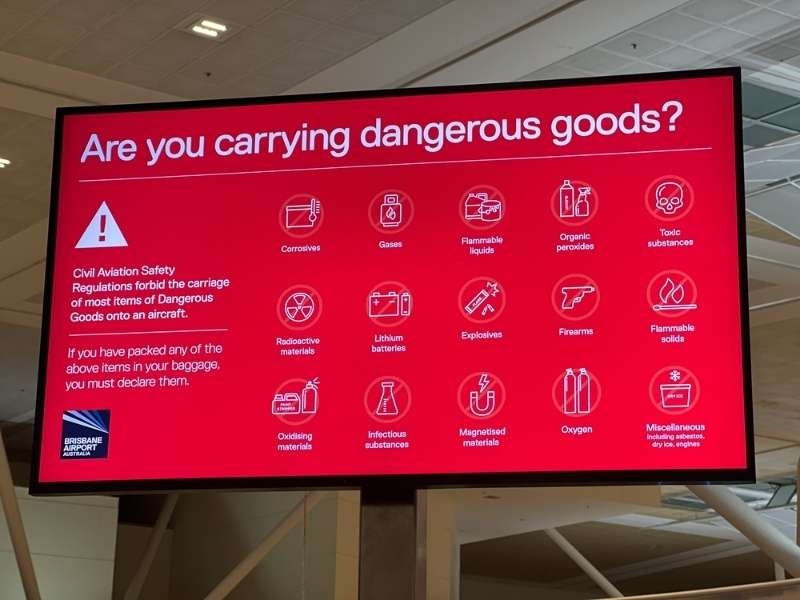
Safety is the number one priority for every airline and government agency. Strict travel safety rules prohibit dangerous items from entering the cabin area. Checking the list of banned items before leaving home is a vital part of trip planning.
Carrying forbidden items can lead to fines or delays. It is always better to double-check the suitcase one last time to ensure there are no accidental hazards tucked inside the lining.
A secure environment starts with the cooperation of every passenger in the terminal. Flight safety depends on people being honest about what they are carrying. Following the staff's instructions ensures that the screening is thorough and effective for everyone.
Cooperation makes the environment safer for families and solo travelers alike. When everyone follows the same path, the entire system works more efficiently.
Traveling with children adds another layer of complexity to the checkpoint experience. Using airport security tips designed for parents can make the morning much more manageable. Explaining the scanners to kids beforehand helps reduce their fear of the machines.
Most airports allow special exceptions for baby food and medicine. Just be sure to tell the officer about these items before the bag goes through the machine.
A valid form of identification is the most important document a traveler carries. Without it, the airport process comes to a complete halt. Keeping a passport or driver's license in a secure but accessible spot is a habit of every expert flyer.
Having these documents ready avoids the frantic search at the front of the line. A calm approach to documentation sets a positive tone for the rest of the day.
Before heading to the gate, a quick mental check of the travel safety rules is beneficial. Ensure that no water bottles were left in the side pockets. Double-check that all electronics were returned to the proper bags after passing the belt.
Taking a moment to breathe after the checkpoint helps lower the heart rate. Once the hard part is over, the focus can shift toward enjoying the actual flight.
Remaining aware of your surroundings is a great way to support flight safety long after leaving the checkpoint. Watching for exits and listening to pre-flight briefings are simple yet effective habits. Safety is a continuous effort that lasts until the plane reaches the destination.
Being an informed passenger makes the crew's job easier and keeps everyone on board protected. Simple actions often lead to the best outcomes during a long journey.
Applying these airport security tips transforms a chaotic morning into a structured routine. Success comes down to knowing the requirements and acting on them early. When a traveler is prepared, the machines and lines are just a small part of the adventure.
Patience is just as important as ensuring that one packs the correct size of shampoo. Patience helps the staff do a great job, and it creates a pleasant atmosphere for all travelers.
Understanding airport security rules is the best way to ensure a peaceful start to any vacation or business trip. By using a TSA Rules Guide and following Travel Safety Rules, passengers protect themselves and others. Preparation leads to a faster airport process and much better flight safety for all.
Solid food items like sandwiches, fruit, or crackers are generally allowed in carry-on luggage. However, if the food is a liquid or gel, such as yogurt or peanut butter, it must follow the standard size limits. Always place food in a separate bin if asked by the security officers.
Medical supplies and liquid medications are permitted even if they exceed the usual volume limits. It is helpful to have a doctor's note or a clear prescription label attached to the items. Inform the officer at the start of the screening so they can properly inspect these vital health supplies.
Small scissors with blades shorter than four inches and common tweezers are usually allowed in the cabin. However, any sharp objects should be securely wrapped to prevent injury to inspectors. If the items look dangerous or have long blades, it is much safer to pack them in checked luggage.
If a prohibited item is found, the officer will usually give the passenger a few choices. The item can often be placed in a checked bag, given to a friend not flying, or simply surrendered for disposal. It is rare to face serious trouble for a simple, honest mistake during screening.
This content was created by AI