

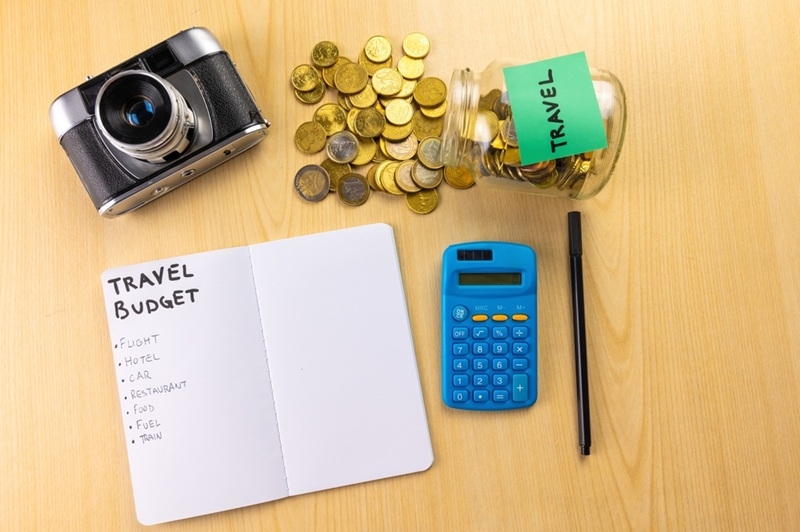
Traveling does not have to empty your wallet. Honestly, with some smart planning and a few good choices, you can explore new places and still save some cash. This travel on a budget guide aims to help you figure out how to plan smartly, cut out the fluff, and enjoy a cozy trip anyway.
Whether you are thinking of a quick weekend getaway or a longer vacation, these cheap trip tips will help you save money stress-free.
Here’s your step-by-step travel on a budget guide:
This advice is not new but must certainly be useful. The first thing to figure out is your total budget, including airfare, accommodation, food, and entertainment. Be realistic about how long you want to travel and how much you can afford to spend on traveling.
Now that you’ve determined your total budget, break it down into categories: airfare, hotels, and daily expenses. It’s easier to stick to your budget when you have established guidelines for each category before beginning your trip.
Some places are just more budget-friendly, so picking the right one is kinda crucial. Places with a lower cost of living give you way more bang for your buck.
Traveling during the off-season? Now that's a smart move to save. Tickets and accommodations tend to be cheaper, plus, you dodge the crowds. A little bit of research before settling on a destination often uncovers spots where your money stretches much further.
Flights can hit the wallet pretty hard, right? So, try to book your tickets early and be flexible with your travel dates to catch the best bargains.
Midweek flights typically cost less than those on weekends. Do not ignore connecting flights either; they can help you save a chunk of change. A few clever adjustments can free up more of your budget for having fun.
Accommodation can drain your funds pretty quickly, but guess what? You have options! Think hostels, budget hotels, or homestays; they can be comfy and much easier on the bank account.
Always compare prices and snag deals ahead of time. A few places even throw in extras like free breakfast or a kitchen, which is great for cooking and saving more bucks.
Once the big bookings are all set, take a look at your daily spending: food, transport, and extra fun things.
Set a daily budget and track your expenses as you go. Doing so helps you avoid getting surprised by all those little expenses adding up. Trust me, skipping those impulse buys can make a big difference.
Food can rack up costs like crazy if you are not careful. Instead of heading to expensive restaurants, regularly look into finding out what type of food local people eat, so they can get an authentic experience.
Street vendors and small family-owned restaurants usually have lower prices and are generally more authentic. If you have access to a kitchen, cooking some meals can totally be a win for your wallet and your appetite.
Getting around can be another money pit. Why not try public transport? Buses, subways, and trains are usually cheaper and can cover most places you want to explore. Walking works well for short distances, and you might notice hidden gems you would have otherwise missed. Making these choices allows you to save cash for the experiences you really care about.
In the end, making smart choices really adds up. With some effort and a bit of flexibility, you will likely find yourself traveling more and enjoying it way more, all without breaking the bank.
You know, activities and all that sightseeing stuff can be the fun part of any trip. But booking things last-minute? Man, that can really hit your wallet hard. So, planning ahead is kinda smart. You might even stumble upon some cool discounts that way.
A travel on a budget guide says to check out free stuff like parks, local markets, and cultural spots. Also, getting your tickets online ahead of time is a solid way to stick to your budget and dodge those surprise expenses.
When it comes to packing, it is essential to be clever, as this will help you avoid those annoying extra baggage fees, especially when flying. Just take what you need and, seriously, avoid that overpacking trap.
You could also try to use reusable stuff and skip those impulse buys while you are on your trip. That is a good way to keep your travel budget in check and your spending really low.
Hunting for deals before you book anything can be a real money saver. A bunch of sites have discounts on flights, hotel stays, and events.
And do not forget about those reward programs and discount codes! They are definitely smart moves for anyone looking to stick to a budget plan. Over time, those little savings really rack up and make traveling on a budget way easier.
So, travel insurance might come off as just another cost, but it really can save you money when stuff goes sideways. It covers all those unexpected things like medical emergencies, cancellations, or losing your luggage.
Thinking about insurance when you budget for your trip is pretty wise. Seriously, it is one of those handy travel finance tips for keeping travel stress-free and safe.
Flexibility is a big deal if you want to save some cash while traveling. Being okay with tweaking your plans can totally lead you to better deals, which is awesome.
Shifting your travel dates or picking different options can really boost your cost-saving travel experience. That kind of mindset makes your budget travel plan so much more adaptable and successful.
Travelers who understand how to travel on a budget do not have to sacrifice comfort or enjoyment when they travel; instead, budget travelers just have a different approach to traveling than other types of travelers. This budget travel guide shows that really anyone can travel without breaking the bank with the right moves.
With a well-thought-out travel budget plan and some useful tips for cheap trips, you can totally explore new places without stressing over money. If you budget it right, those memorable trips can be yours without letting spending spiral out of control.
The first thing to do is decide how much you want to spend and then look for places that fit your price range. Then, break down your trip budget by categories such as flights, accommodation, and meals. Grab the best deals by planning your trip pretty far ahead. Last, keep things simple with a budget travel plan that is easy to handle.
Hostels are the best option as they cost the least. However, if you want a little bit more privacy and comfort, then you can consider homestays or budget hotels. Always compare the prices online and book upfront to get the best deals. Another wise move is to stay away from the main tourist areas since this can be quite expensive. However, even if you stay out of the popular areas, you can still find adequate and safe places at very reasonable rates.
If you want to go cheap, you have to be ready to give up some comfort. However, if you wish to maintain the level of comfort to which you are accustomed, then you should give effective travel planning on a budget a try. Staying in affordable accommodations that get good ratings, eating where the locals eat, as well as traveling by public transport, are all ways that you can help to continue having a good time while still saving money.
You can try setting a daily spending limit and keeping track of what you spend this way. Also, refrain from buying unnecessary things as well as going out for meals that are priced at the high end of the range. Keeping a tab on your budget with the help of travel budgeting techniques and using mobile applications can prove to be very helpful.
This content was created by AI