

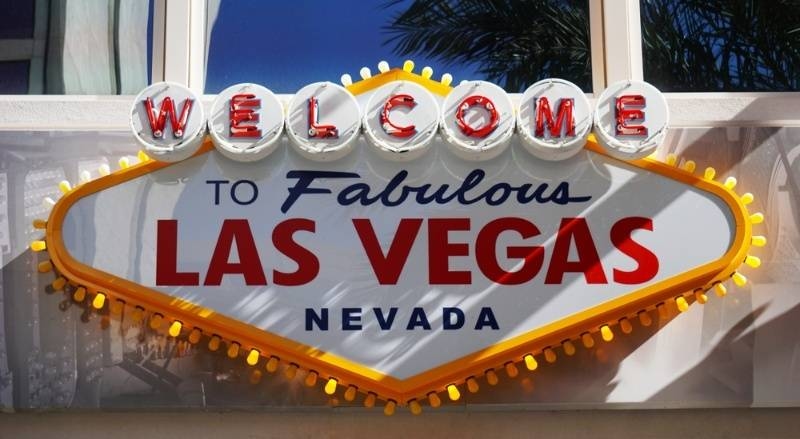
Las Vegas gets typecast a lot. People hear the name and immediately picture slot machines, neon, and somebody making a risky decision at 1 a.m. Fair enough. That version of the city definitely exists. But it is not the whole story, not even close. Vegas also does scenic desert escapes, quirky museums, big-view attractions, art-heavy spaces, and surprisingly solid family-friendly stuff too.
That is exactly why planning a trip here can get interesting fast. A traveler can build a weekend around free sights, great food, Downtown energy, and outdoor day trips without spending all day inside a casino. Honestly, that is what makes the city better than people expect. It gives visitors way more range than the stereotype suggests.
The best places to visit in las vegas depend on the kind of trip someone wants. The official Vegas tourism guide highlights everything from the Welcome to Las Vegas Sign, Fremont Street Experience, Bellagio Fountains, and the High Roller to family attractions, museums, outdoor adventures, and day trips beyond the Strip. In other words, a strong Vegas trip does not need to revolve around gambling at all.
A useful las vegas travel guide should really start with that idea. Vegas works best when travelers stop asking, “Which casino should they see?” and start asking, “What version of the city sounds fun?” Big difference. Some want classic photo spots. Some want immersive art. Some want desert views and hiking boots. Some want old-school neon and a little weirdness. Vegas can do all of that.
Even if someone wants to go beyond casinos, a few Strip landmarks are still worth it. The official things-to-do guide calls out the Welcome to Fabulous Las Vegas Sign, the Fountains of Bellagio, the Bellagio Conservatory & Botanical Gardens, the Eiffel Tower at Paris Las Vegas, and the Venetian canals among the city’s must-see attractions. These work well because they are visual, easy to access, and very Vegas without requiring a long commitment.
For first-time visitors, this is usually the easiest place to begin a simple vegas itinerary:
That mix gives travelers a pretty good sense of the city’s scale and personality before they start branching out. It is touristy, yes. But some touristy things are touristy because they are actually worth seeing.
If the Strip feels polished and oversized, Downtown feels looser and more textured. The official Vegas site repeatedly points visitors toward Fremont Street Experience and Downtown Container Park as standout attractions, with free concerts on Fremont and a more open, street-level feel than the resort corridor. This part of town is especially good for travelers who want energy without the exact same Strip formula.
This is also where some of the more memorable things to do in vegas style experiences start to show up. Fremont has people-watching, live entertainment, LED overload, and a louder, messier charm that many travelers end up liking more than they expected. It feels less staged. A little more human. Well, by Vegas standards anyway.
Las Vegas history is stranger and more interesting than many people assume, and the Neon Museum helps make that obvious. Travel Nevada describes it as home to more than 250 rescued neon signs from historic casinos and bars, making it one of the best places to explore the city’s earlier eras of glitz and spectacle. The official Vegas site also keeps highlighting it as a strong Downtown stop, especially for travelers wanting nostalgia or budget-friendly cultural attractions.
For travelers building a smarter las vegas travel guide for themselves, the museum is useful because it shows that Vegas is not only about what is shiny right now. It also has layers. Failed resorts, old signs, weird architecture, changing tastes. The city has reinvented itself repeatedly, and this museum makes that story visible in a very Vegas way.
Not every traveler wants landmarks and fountains. Some want something more immersive, more offbeat, more “what exactly is going on here?” That is where AREA15 enters the picture. The official Vegas guide highlights AREA15 and Meow Wolf’s Omega Mart as standout attractions for friends, solo travelers, and first-timers looking for something beyond the usual lineup.
This is one of the more modern vegas attractions choices because it blends art, entertainment, and sensory overload in a way that feels built for people who are tired of standard sightseeing. It works well for:
Basically, if someone says they want Vegas but not the obvious version, this is a good place to send them.
One of the best things about Las Vegas is how quickly the city can disappear. Red Rock Canyon National Conservation Area sits about 25 miles west of the Strip, and the official Vegas outdoor guide says it offers 32 hikes and trails spanning more than 40 miles. The Red Rock listing also notes that the visitor center includes historical and geological exhibits and that the conservation area is open daily.
This matters because the best places to visit in las vegas are not all urban. Sometimes the most memorable part of the trip is the moment someone trades flashing signs for red sandstone and quiet air. It is one of the easiest ways to balance a trip that might otherwise feel too packed or too artificial. And honestly, after enough indoor time, the desert feels like a reset button.
Las Vegas is not only for bachelor parties and late-night chaos. The official tourism site lists a surprising number of family-friendly picks, including Adventuredome, Mandalay Bay Beach, Shark Reef Aquarium, High Roller, gondola rides at The Venetian, Downtown Container Park, and outdoor options like Red Rock Canyon, Lake Mead, and Hoover Dam.
That makes a family-focused vegas itinerary much easier to build than people expect. A decent version might include:
Not bad, really. It is still Vegas, just filtered through a more manageable lens.
Vegas can get expensive fast, so free sights matter more than they might in other cities. The official free-things guide updated in 2026 specifically points visitors toward the Welcome to Fabulous Las Vegas Sign, Bellagio Fountains, free concerts on Fremont Street, and other no-cost visual stops around the city. That means a traveler can build a satisfying day without paying for every single experience.
A few smart vegas tips for budget-conscious travelers:
That usually leads to a better trip anyway. Fewer rushed plans. Less regret. More room to actually enjoy what is happening.
The real trick to Vegas is realizing it is several destinations at once. The official city guides cover luxury shopping, production shows, pools, museums, outdoor activities, sports events, hidden local spots, and cultural attractions in addition to casinos. That is a huge range for one city.
So when people ask about things to do in Vegas beyond casinos, the better answer is not one attraction. It is a mindset. Pick a version of Vegas and lean into it. History-heavy Downtown trip. Outdoor desert escape. Art-and-immersion weekend. Family-friendly city break. Classic Strip highlights with one or two smart detours. All of those can work.
That is what makes the city more fun than it first appears. It rewards travelers who look one layer deeper. Yes, the casinos are there. Yes, the spectacle is still part of the deal. But the better Vegas trip usually happens when someone mixes the obvious stuff with a few places that feel more personal, more surprising, or just a little less expected.
Yes, absolutely. The official Las Vegas tourism site emphasizes attractions like Bellagio Fountains, Fremont Street, Red Rock Canyon, AREA15, the Neon Museum, shows, museums, shopping, and outdoor activities alongside the casino side of the city. A traveler who never places a single bet can still build a full, interesting trip with no problem at all.
For most travelers, three to four days is a strong sweet spot. That gives enough time for Strip highlights, one Downtown day, one cultural or immersive stop like AREA15 or the Neon Museum, and one outdoor outing such as Red Rock Canyon. Less than that can still be fun, but it usually forces people to choose between city attractions and the natural side of the area.
It depends on the trip style. Staying on or near the Strip keeps classic landmarks, shows, and major hotels close by, while Downtown works well for Fremont, the Neon Museum, and a more old-school local feel. Travelers who care about outdoor access may still stay central but should plan a car or guided trip for Red Rock Canyon or other nature stops. There is no one perfect answer, which is kind of the point.
This content was created by AI